Media & Engagement
Selected media coverage, interviews, public engagement, and features related to my research and work.
Media Coverage
New air quality sensors are tracking pollution data near Frederick Douglass Tunnel construction
May 13, 2026
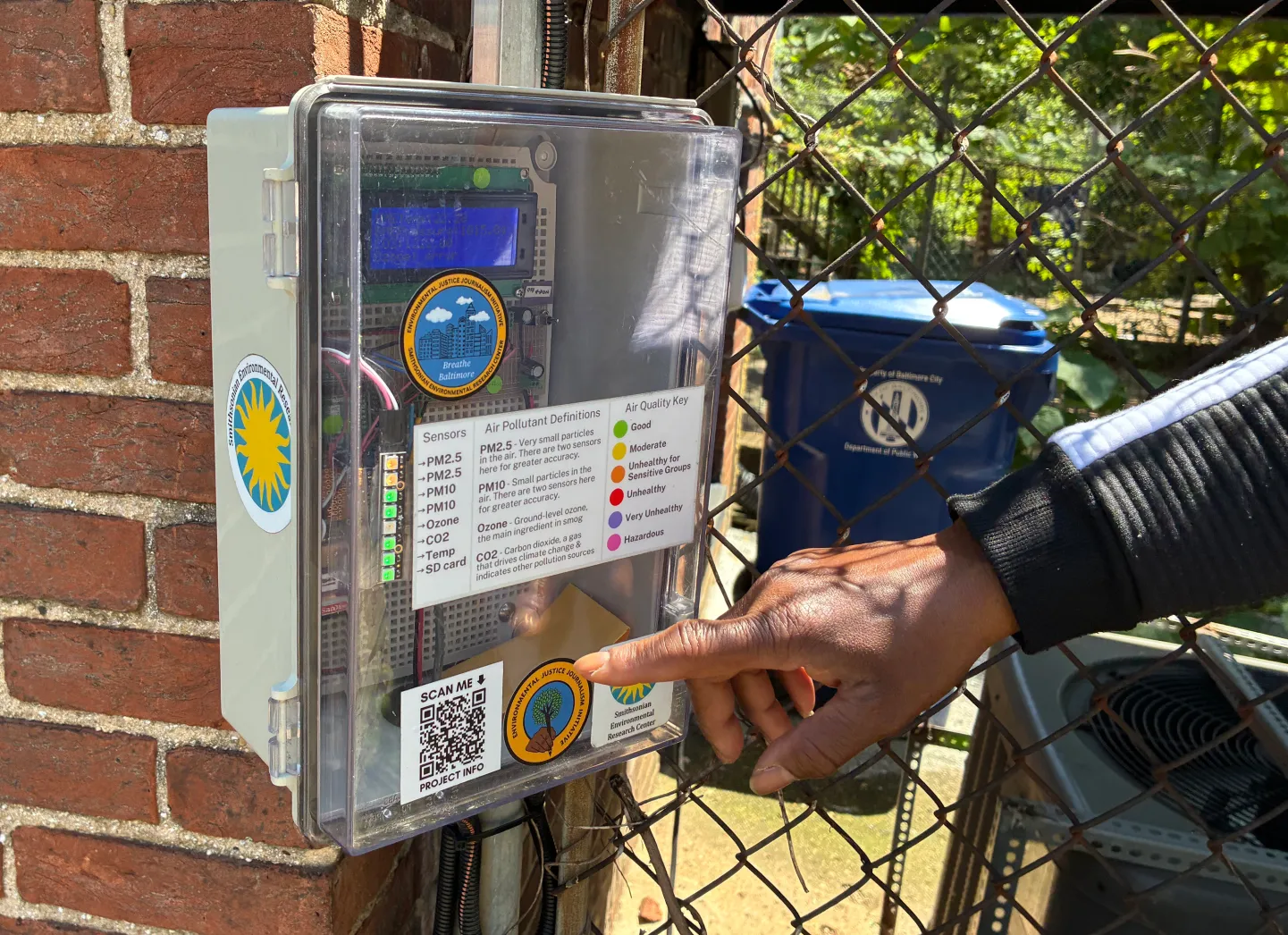
Scientists from the Smithsonian Institute have installed 14 new sensors to track air quality in South and West Baltimore.
Conversations & Podcasts
Friendship and Belonging as Knight-Hennessy Scholars, Imagine A World Podcast
December 11, 2024
In this episode, pull up a chair alongside members of the 2023 cohort, scholars Sanaa Alam, Hannah Melville-Rea, Leona Neftaliem, Jocelyn Ricard, and Takondwa Semphere, the best of friends who found each other at Denning House. Episode hosts Willie Thompson (2022 cohort) and Ashley Yeh (2024 cohort) interview the group about Knight-Hennessy scholar life, the challenges and changes they have faced in their journeys, and how deep friendship fuels their growth.
Features & Public Engagement
Meet the 2026 Rising Environmental Leaders
March 17, 2026
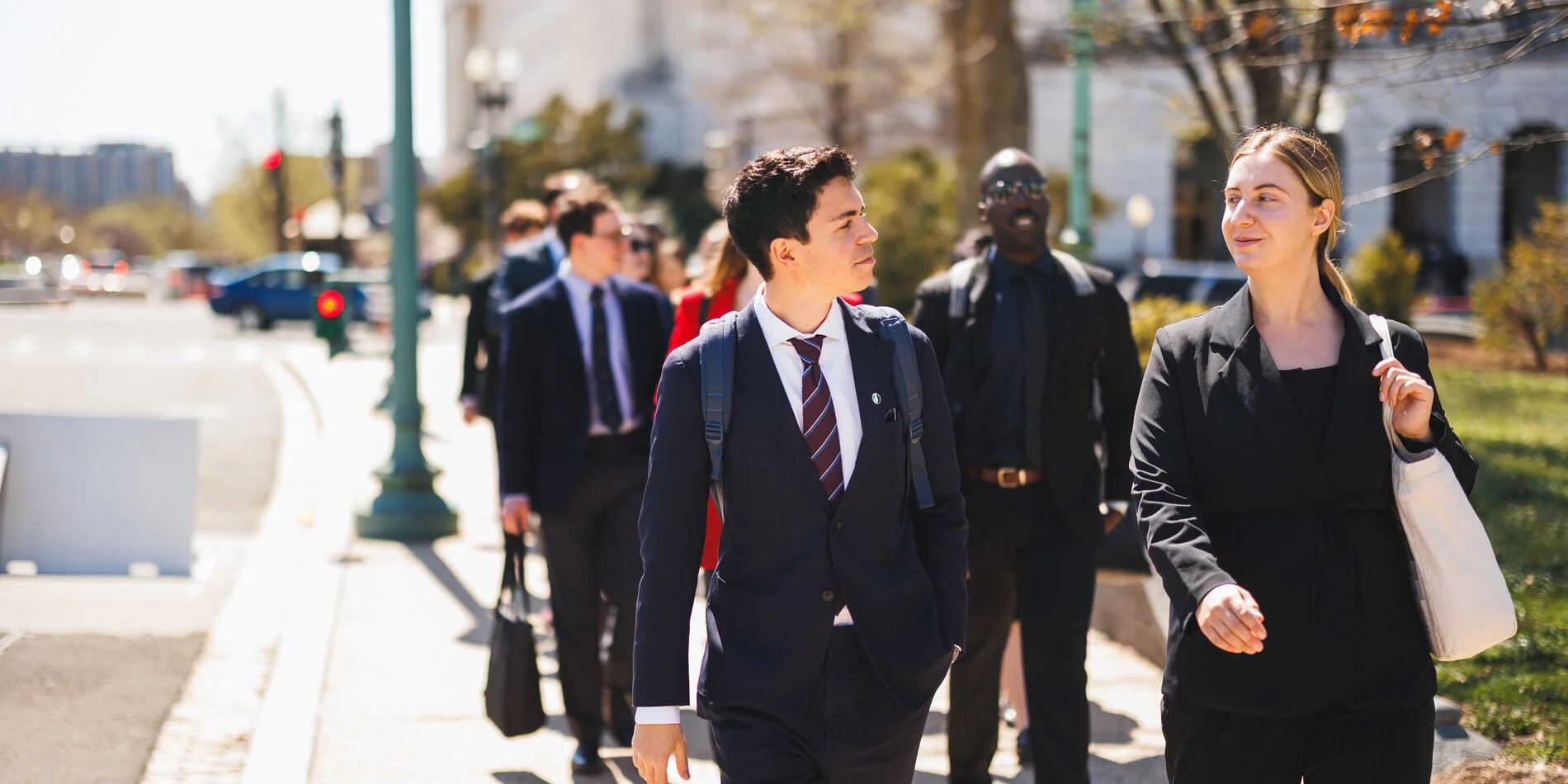
From climate adaptation to sustainable energy and resilient food systems, today’s environmental challenges demand solutions that bridge science and policy. The Stanford Woods Institute for the Environment’s Rising Environmental Leaders Program (RELP) helps emerging scholars build the skills and networks needed to translate research into real-world impact.
The 2026 RELP cohort brings together graduate students and postdoctoral scholars from across Stanford, representing fields including engineering, law, biology, communication, and political science.
Recap of #AGU24 with PhD student Leona Neftaliem 🌎, Stanford Doerr School of Sustainability
December 17, 2024
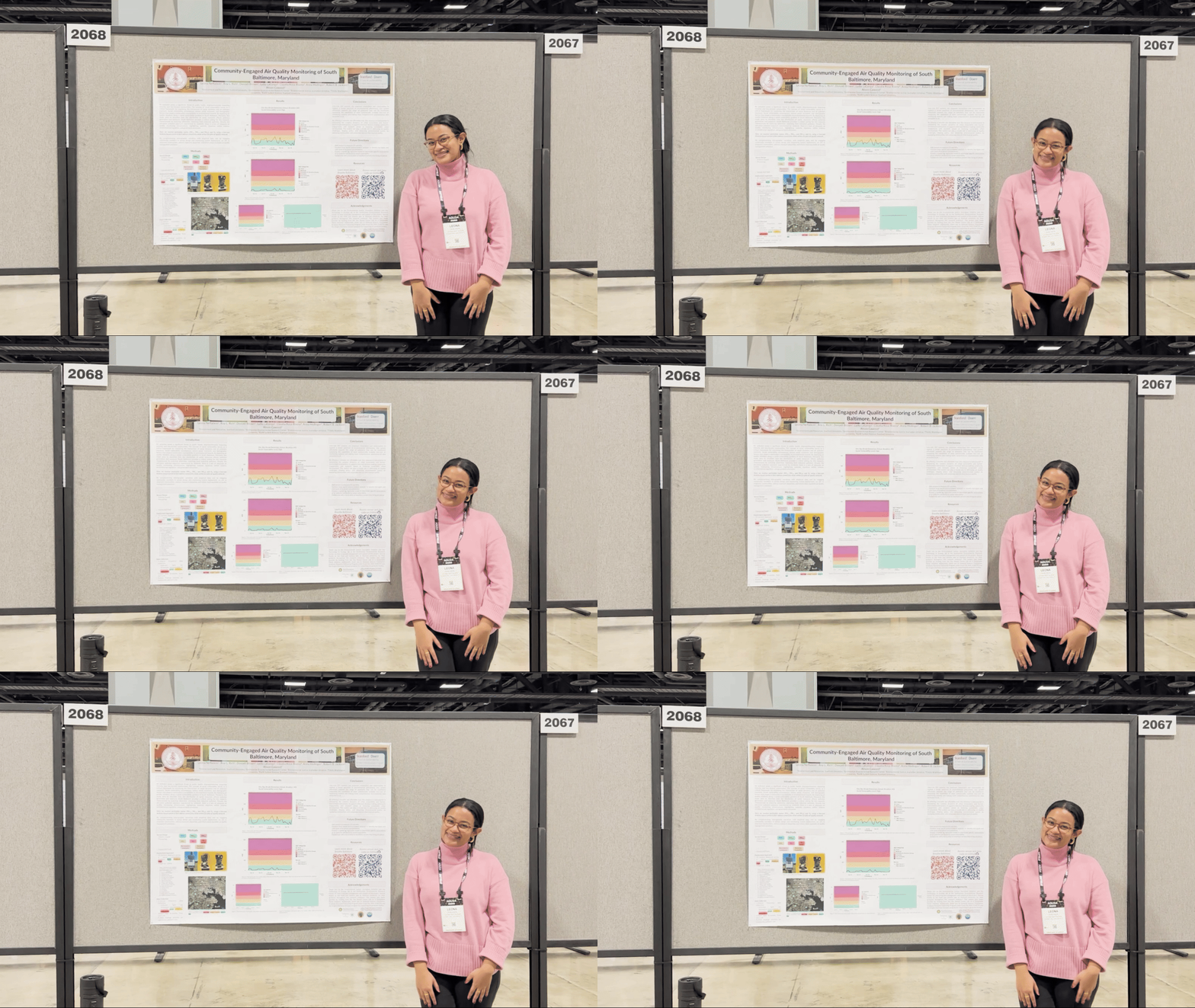
As the world’s largest association of Earth and space scientists, @americangeophysicalunion gathers over 25,000 attendees every year for its annual meeting.
Dozens of Stanford scholars including Neftaliem, a @knighthennessy scholar and PhD student in the @social_ecology_lab, Jackson lab, and Global Ecology and Climate Solutions lab, connected and shared their research at the conference last week.
Baltimore’s Air Quality Exposure, Environmental Justice Journalism Initiative
August 26, 2024
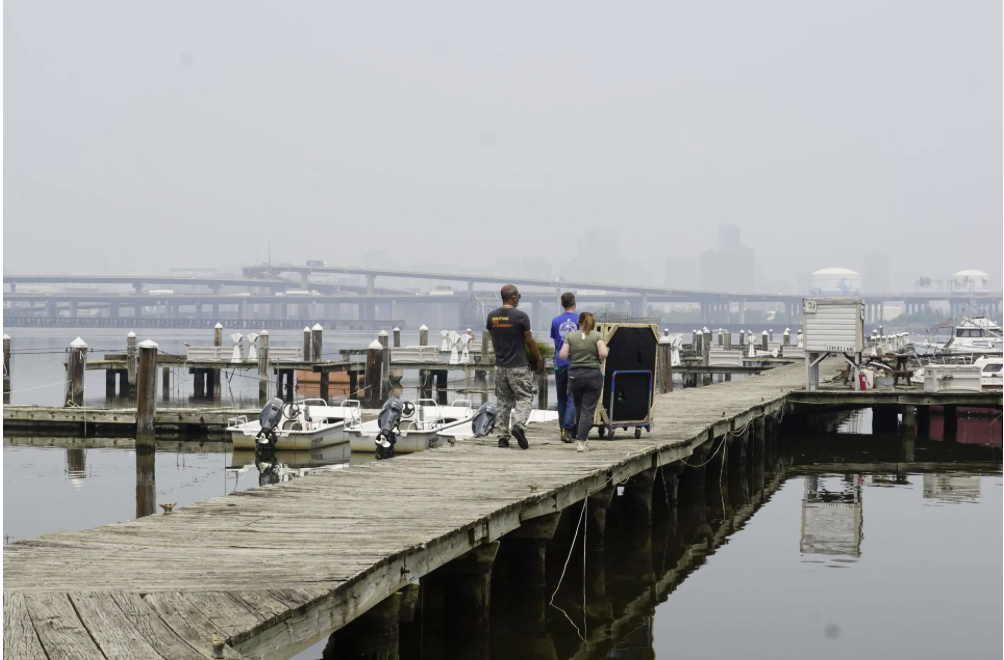
In an age of heightened climate awareness, Baltimore City continues to suffer from numerous environmental hazards, particularly a high rate of air pollution. The issue highlights some underlying problems that exacerbate this pollution, specifically the lack of current, accurate data on air quality in most Baltimore neighborhoods, and the lack of regulations that allow major sources of pollution to affect residential areas.